Pinterest SEO & AI Mockups: The Double-Ranking POD Blueprint
Creating high-quality designs for your print-on-demand store is only half the battle. If your target audience in the US and UK markets cannot discover your visual assets, your storefront remains a ghost town.
To bridge this discovery gap, top-tier e-commerce entrepreneurs don t just rely on Pinterest s native home feed. They construct digital assets designed to dominate a strategic Double SEO pipeline ranking simultaneously on Pinterest’s internal engine and Google Search results.
By combining technical web optimization with highly immersive, AI-driven lifestyle staging, you can build an automated marketing funnel that converts passive digital scrollers into paying customers. Let’s break down the exact structural blueprint to execute this advanced workflow.
1. The “Double SEO” Framework: How Pinterest Hacks Google
Pinterest holds an exceptionally high Domain Authority (DA) score in the eyes of major search engine web crawlers. When you optimize an enterprise pin correctly, you aren t merely indexing it for internal app users; you are positioning that asset to claim premium real estate on Google Images and the main global search engine results pages (SERPs).
Leveraging Commercial Long-Tail Keywords
To capture high-intent buyers who have their wallets out, step away from broad, generic search phrases. Instead, construct your structural text using ultra-specific, long-tail descriptive titles that align with search intent.
- Weak, Non-Optimized Title:
Cool Gothic Poster - Double-SEO Compliant Title:
San Francisco Gothic Bridge Poster - Dark Academia Wall Art
This hyper-targeted phrasing maps perfectly to automated header structures that search engine robots can easily categorize, matching queries from buyers searching for exact aesthetic fits.
The Secret Code: Alt Text Optimization
The Alt Text (Alternative Text) input field is the single most neglected visual asset in print-on-demand marketing. As outlined in Google’s official image publishing guidelines, search engine web crawlers cannot naturally “see” the raw pixels of your artwork; they read the underlying alt text data layer to interpret what your graphic represents.
Never leave this configuration empty or fill it with a spammy list of comma-separated tags. Write a descriptive, natural sentence that details the texture, materials, setting, and lighting of the scene:
_ A high-contrast macro shot of a dark academia style matte poster featuring a gothic architectural drawing, displayed inside an ornate golden frame on a vintage library wooden desk surrounded by weathered books and warm candlelight. _
2. Visual Illusion vs. Brutal E-Commerce
When managing highly atmospheric, curated niches such as 17th-century woodcuts, occult technical engravings, or mysterious scholarly aesthetics user immersion dictates your brand’s ultimate conversion metrics. The technical manner in which you handle your transactional product links determines whether a visitor saves your art or leaves immediately.
The Conversion Danger of Manual Product Tagging
It is highly tempting to use Pinterest s manual “Shopping Tag” layout feature to pin direct price bubbles over your graphics. However, consumer behavior data shows that for aesthetic, design-driven subcultures, hard marketplace tags break the artistic illusion. It instantly flags the piece as a cold advertisement, causing organic Saves and re-sharing velocity to plummet.
The Text Overlay Solution
Instead of fracturing the immersion with a digital price tag, integrate subtle, high-end typography layout blocks directly into your image design (a Text Overlay). Strategic call-to-action (CTA) phrases like “Curate Your Archive” or “Explore the Collection” act as soft cognitive anchors. This maintains the premium aesthetic integrity of the graphic while clearly signaling to the viewer that the item belongs to an accessible, purchasable collection.
The Automation Magic of Rich Pins
To bridge clean pricing data without breaking your design’s visual charm, you must connect your storefront using Rich Pins. According to technical guidelines from the Pinterest Developer Documentation, when you link an asset to a trusted, verified domain like Redbubble or an established blog, a background scraper automatically processes the page’s structural metadata.
The Pinterest interface then displays clean, native details such as real-time pricing and stock availability directly below the pin layout. If you run a store-wide promotional event or a seasonal price adjustment on your merch platform, your Pinterest assets update themselves automatically across the entire web without any manual backend editing.
3. The AI Matrix: Building Asymmetric Mockup Workflows
To fuel a high-frequency automation schedule without appearing spammy or repetitive, you require an extensive, diverse catalog of environmental scenes. Relying on the same stock mockup template repeatedly erodes brand authority. By utilizing modern generative AI toolsets, you can construct an endless, high-velocity asset pipeline.
          [ 1 Core Design Layer ]


    [Product A]         [Product B]  ... (Up to 6 unique types)

    [Scene 1]           [Scene 2]    ... (6 asymmetric setups)
The Rule of Asymmetry
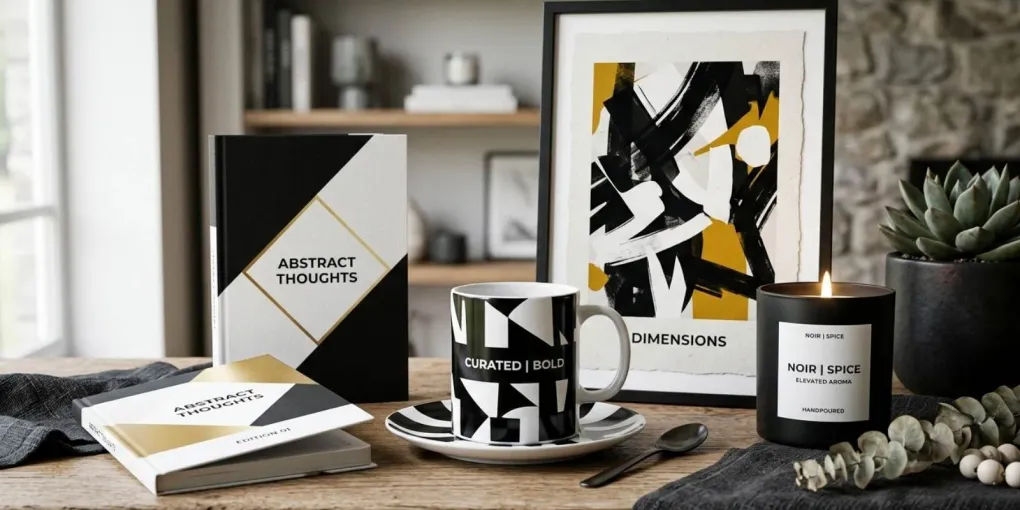
For every single core design you finalize, aim to map it across 6 distinct product archetypes (e.g., a heavyweight t-shirt, a matte canvas poster, a hardcover notebook, a die-cut vinyl sticker) and position them into 6 completely different lifestyle environments. This structural variation keeps your publishing feed highly dynamic, maximizing reach across multiple board categories.
Realism, Scaling, and Accessory Staging
Generative AI tools can occasionally introduce structural errors when rendering human anatomy, resulting in distorted proportions or unnatural hand placements on clothing models. To bypass these generation anomalies and maintain a premium retail appearance, rely heavily on curated Flat Lays and realistic object staging:
- Apparel Parameters: Reduce your core artwork size and center it strictly on the chest area of your apparel mockups. Ensure the graphic placement sits safely above the hoodie pouch or structural seams to maintain a clean, professional retail look. Surround the garment with thematic physical props like heavy D20 dice, matching enamel pins, or antique fountain pens.
- Stickers & Tech Gear: Position your sticker mockups where they naturally belong in modern life adhered to the sleek back of a metallic tablet, a matte laptop case, or a modern e-reader. Never place a modern vinyl sticker directly onto a 16th-century leather-bound grimoire; the historical mismatch breaks the consumer’s suspension of disbelief.
4. Architectural Integration: Connecting the Funnel
An optimized pin should never point to a dead-end link. To maximize your search ranking signals, route your traffic loops through a dedicated content hub before sending users to third-party storefronts.
If you analyze the technical distribution layers, running traffic directly from a pin to an external merchandise marketplace can sometimes hit internal filter sandboxes. However, redirecting your Pinterest traffic into a lightning-fast, Markdown-powered static article creates a highly crawlable loop that search engines favor.
As we analyzed in our comprehensive breakdown of the Pinterest Algorithm for POD, the initial velocity metric thrives when traffic behaves naturally. By filtering your social users through an informational blog layer first, you dramatically increase your site’s dwelling time, establish topical authority, and capture clean analytics data to optimize your e-commerce growth.
5. Technical Optimization for Crawl Budget & Indexing
Even the most stunning AI mockup will remain invisible if Pinterest’s crawler cannot efficiently process its embedded metadata. Optimizing the technical backend of your assets ensures your pins get indexed faster and rank higher for specific image queries.
Prioritizing File Compression without Quality Loss
High-resolution mockups are essential for conversion, but raw PNG files exceeding 2 MB slow down your hosting infrastructure and increase the risk of Pinterest’s scraper timing out during the ingestion queue. Use next-gen WebP or optimized JPEG formats compressed to under 500 KB while maintaining a crisp 1000x1500 pixel canvas. Tools like Squoosh or ImageMagick allow you to strip excessive EXIF data (camera settings, GPS coordinates) that are useless for SEO but bloat your file weight.
Leveraging Board Titles for Contextual Anchor Text
Your pin’s description is not the only text layer the algorithm processes. The names of the boards you save your pins to act as powerful contextual anchor points. Instead of generic board labels like “My Designs” or “Products”, create hyper-specific, keyword-rich containers that directly reflect your Double SEO strategy. For example, rename your primary board to “Gothic Bridge Dark Academia Wall Art Prints” rather than just “Wall Art”. This reinforces the semantic connection between your image, your description, and Google’s visual image recognition nodes.
Avoiding the Duplicate Content Trap with Varied Descriptions
When bulk-scheduling 6 different mockups of the exact same design, it is tempting to copy-paste the identical description block for speed. This creates what search engineers call “thin duplication.” For each of your 6 environments (Flat Lay, Notebook, Sticker on Tablet, etc.), rewrite the description to explicitly mention the specific product type and the unique props featured in that specific scene. This diversity signals to the search engine that even though the core graphic is similar, the contextual data layers are entirely distinct, granting you maximum indexing surface area.
Conclusion: Turning Traffic into Digital Real Estate
Dominating the intersection of Pinterest SEO and AI mockup automation is an exercise in building automated, compounding digital assets. By pairing strong, long-tail Double SEO structures with hyper-realistic, carefully scaled AI flat lays, you build permanent doorways to your brand. Optimize your alternative text metadata, allow Rich Pins to manage your pricing arrays in real time, and route your users through a fast, static web infrastructure to scale your print-on-demand enterprise on autopilot.
Frequently asked questions
Should I manually tag products on aesthetic Pinterest pins?
No. For highly visual and atmospheric niches, manual price tags break the consumer immersion and cause organic Saves to drop. It is highly recommended to use Rich Pins instead.
What is the best way to optimize Alt Text for print-on-demand pins?
Avoid raw keyword stuffing. Write a natural, highly descriptive sentence explaining the textures, products, objects, and environmental lighting so Google Images can crawl and index the file accurately.
How many mockup variations should I create per design?
Following the Rule of Asymmetry, aim for 6 distinct product types mapped across 6 completely different lifestyle scenes to maximize visual variety without looking repetitive.
More from this series