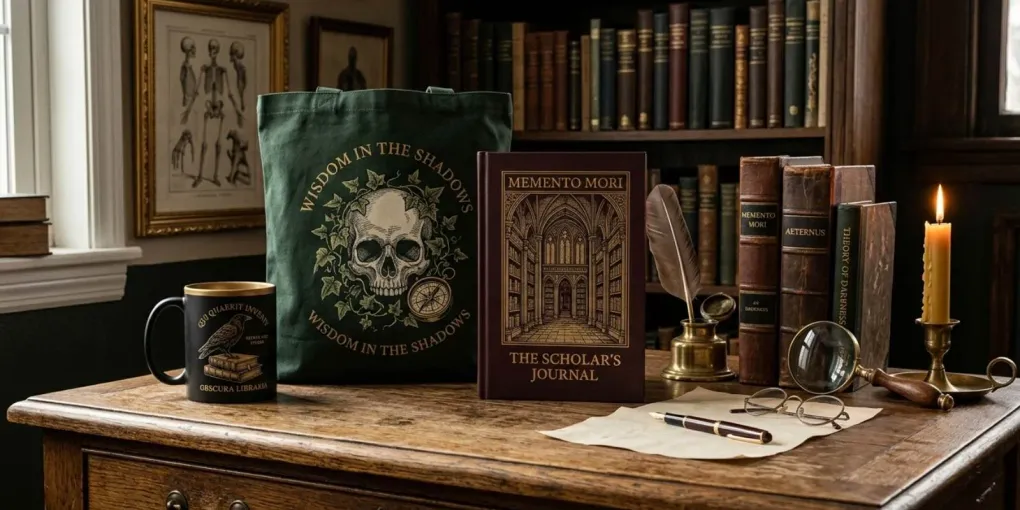
The Art of the Niche: POD Collection vs. Random T-Shirts
The early golden era of copy-pasting generic slogans onto basic white t-shirts and uploading them by the thousands to random marketplaces is officially over. Today, saturation, automated platform filters, and shifting consumer expectations have combined to eliminate profits for generalist storefronts.
If your print-on-demand strategy consists of uploading a funny cat meme one day, a neon fitness graphic the next, and an abstract watercolor design the day after, your brand identity remains nonexistent. To passive online buyers, your store looks like a disorganized flea market rather than a premium retail experience.
To scale an independent, digital-native enterprise targeting highly competitive markets in the US and United Kingdom, you must transition from a simple merchant to a focused visual curator. Success requires building a cohesive, structured collection bound by strict aesthetic laws. Let s break down the technical framework of establishing topical authority through aesthetic constraints.
1. The Death of the Generalist Storefront
When a user visits an independent storefront or a platform profile, they make a psychological conversion decision within the first three seconds. A disjointed inventory immediately signals low-effort dropshipping or automated bulk spamming. This friction causes conversion rates to plummet below the industry baseline.
Marketplace search algorithms on major platforms have adapted to reward specialized focal authority. When your site signals to index engines that it behaves as a dedicated hub for a singular, deeply rooted cultural aesthetic, your internal quality score rises.
Instead of chasing fleeting viral trends, sustainable growth relies on serving hyper-focused micro-niches. This strategy minimizes your direct competitive surface area, bypasses generic price-war dynamics, and builds a defensible, loyal customer base.
2. Case Study: The Anatomy of a High-End Aesthetic World
To illustrate how technical artistic limitations translate into algorithmic and commercial performance, let s examine the construction of a cohesive visual universe built at the intersection of Dark Academia, 17th-Century Technical Engravings, and Tabletop Roleplaying (D&D) motifs.
A premium visual universe is structured across three foundational layers:
- The Style Layer: 17th-Century Woodcut / Gothic Engraving.
- The Theme Layer: Tabletop RPG / D&D Motifs (D20 dice, mimic monsters, custom lore).
- The Color Palette Constraint: High-contrast black ink on antique gold or unbleached paper backgrounds.
By layering these three distinct subcultures, you create a unique visual product that features low keyword difficulty scores in search engines while maintaining intense, passionate buyer intent.
Visual Rule 1: The Monochromatic Ink Constraint
The brand establishes a hard technical restriction: every asset must present itself as high-contrast black ink illustration using intense heavy cross-hatching and linework techniques. By refusing to use gradients, pastel color spaces, or modern digital paint fills, your design assets mimic real vintage woodblock prints.
Visual Rule 2: The Antique Gold & White Background Rule
To enforce continuity across apparel mockups, poster canvases, and digital assets, the background palette is locked. Products utilize either an unbleached antique paper white or a premium metallic antique gold hue. This strict color limitation transforms an assortment of disparate products into an instantly recognizable, premium cohesive catalog.
Visual Rule 3: The Scholarly Subculture Cross-Over
The theme layer takes standard, highly popular fantasy and Tabletop RPG elements (like D20 dice, mimics, or dungeon masters) and recontextualizes them through a scholarly, mysterious lens. Instead of bright, cartoonish gaming graphics, a polyhedral die is styled as a detailed technical engraving inside an alchemist s study or a gothic grimoire setup.
3. The Automation Workflow of Aesthetic Constraints
Beyond consumer-facing brand equity, enforcing strict artistic rules provides a massive operational benefit to your digital pipeline. It vastly accelerates your operational file management and template generation workflows.
Seamless Cross-Product Scaling (The Matrix Effect)
When your design portfolio shares a unified color space and illustration archetype, scaling one core graphic across multiple physical items becomes fully automated. A single woodblock-style illustration can seamlessly adapt to:
- A centered chest graphic on a premium heavy hoodie.
- A full-coverage print on a hardcover linen notebook.
- A high-contrast die-cut vinyl sticker displayed on modern hardware.
- A matte-finish gallery wall art poster.
Because the art relies on clean, high-contrast vector layers rather than complex multi-colored rasters, background isolation and file processing speeds increase by over 300%.
Standardizing the Production Pipeline
By utilizing uniform design parameters, you can build highly optimized macro actions or custom presets within your asset management setups. File naming structures become standardized, tag pools remain clean, and your bulk upload pipelines can operate with absolute machine efficiency, saving you dozens of hours every week.
4. The Double SEO Advantage of Topical Architecture
Building a niche collection is not just a visual strategy; it is a core mechanism for hacking modern search engines. As outlined in Google’s official documentation on Search Engine Optimization, search engine web crawlers seek out semantic clusters to verify your site s contextual expertise.
When your Astro blog consistently publishes long-form technical guides alongside specific product listings, you form a powerful Topical Authority Silo. If an index robot discovers that your site ranks for hyper-targeted terms like “gothic woodblock print design” or “mysterious scholarly apparel,” it assumes greater authority when you launch products targeted at those exact search spaces.
Furthermore, this internal consistency fuels your external marketing funnels. As we explored in our deep-dive blueprint on Pinterest SEO and asymmetric AI mockups, your visual assets can dominate long-tail Google Images queries because your descriptive alt texts, metadata strings, and landing page keywords share the exact same semsantic markers.
5. The Technical Architecture of a Niche Storefront
Building a cohesive aesthetic collection is only half the battle. To ensure your specialized archive converts visitors into customers, you need to align your website’s technical infrastructure with your brand’s visual identity. This means optimizing your storefront’s layout, navigation, and product presentation to mirror the curated experience you’ve designed.
Structuring Your Store Navigation Around Aesthetic Categories
Instead of organizing your shop by generic categories like “T-Shirts” or “Posters,” structure your navigation around your aesthetic worlds. For a Dark Academia & Tabletop RPG storefront, your main menu could feature:
- The Grimoire Collection: All products featuring woodblock-style engravings.
- The Alchemist’s Study: Products centered around metallic gold accents and scholarly motifs.
- The Dungeon Master’s Archive: Items featuring D20 dice, mimics, and fantasy lore.
This approach accomplishes two things: it immerses the user in your brand narrative from the very first click, and it creates clear thematic signals for search engine crawlers, reinforcing your topical authority.
Optimizing Product Descriptions for Long-Tail Discovery
Product descriptions on a niche storefront should never be generic. Instead of “A high-quality t-shirt featuring a gothic design,” aim for something like:
“This premium heavyweight t-shirt features an original 17th-century style woodcut engraving of a polyhedral D20 die, rendered in high-contrast black ink on antique gold. Perfect for dungeon masters and collectors of dark scholarly aesthetics.”
Why this works? It naturally incorporates multiple long-tail keywords (17th-century style woodcut, polyhedral D20 die, high-contrast black ink, antique gold, dark scholarly aesthetics). This broadens your discovery surface across both Google Shopping and Pinterest search without resorting to keyword stuffing.
The Importance of Consistent Visual Branding Across All Assets
Your niche aesthetic must extend beyond your product designs to every visual element of your storefront. This includes:
- The Hero Image: Use a curated lifestyle shot showcasing multiple products from your collection arranged in a cohesive scene.
- The Color Palette: Ensure your website’s background, buttons, and typography align with your brand’s constraint (e.g., antique paper tones, metallic gold accents).
- The Typography: Select fonts that evoke the same historical or scholarly feel as your designs.
Consistency across these visual touchpoints builds trust and reinforces the premium, curated experience. A visitor who lands on your storefront should immediately understand your visual world without needing to read a single word.
6. Turning Traffic Into a Dedicated Fanbase
When your brand operates within a defined visual world, your marketing shifts away from aggressive promotion and transitions into lifestyle curation.
Moving Beyond the “Buy Now” Trap
Generalist shops survive on thin margins by shouting at users to buy products. A specialized, curated archive invites the customer into an elite narrative experience. When you couple your product listings with compelling contextual copy or lore descriptions, you transform a generic piece of merchandise into a mysterious digital artifact.
Exploiting Natural Cross-Selling Loops
In a generalist storefront, a buyer who purchases a funny pet shirt has zero incentive to look at your other designs. In a curated archive, a customer who purchases a dark academic poster is highly likely to return to buy the matching hardcover grimoire notebook or a set of high-contrast vinyl stickers. Every single asset in your shop naturally promotes and reinforces every other asset in the catalog, maximizing your average customer lifetime value (LTV).
Conclusion: Activating Your Specialized Archive
The print-on-demand landscape of 2026 demands absolute focus. To break through the noise of the digital noise, abandon the generalist approach and treat your shop like a high-end, curated gallery space. Establish strict, unyielding visual laws, lock down your palette constraints, and construct deep semantic keyword silos. By building a unified collection rather than an assortment of random t-shirts, you turn passive scrollers into long-term brand evangelists and transform raw web traffic into a sustainable digital asset.
Frequently asked questions
Why is generic Print on Demand dead?
Buyers no longer look for random text designs on white backgrounds. Marketplace algorithms and consumers favor cohesive, lifestyle-driven brands built around distinct visual worlds and specific aesthetic movements.
How do strict artistic constraints help a POD business?
Limiting your palette (e.g., black ink on antique gold) and style (e.g., 17th-century woodcut) builds instant brand recognition, accelerates file production pipelines, and creates cross-selling opportunities across product lines.
Can I combine Tabletop RPG themes with the Dark Academia aesthetic?
Yes. Blending subcultures like placing detailed D20 dice or mimic monsters inside a scholarly, gothic library setting creates a highly profitable, low-competition micro-niche.
More from this series
Tools mentioned in this guide